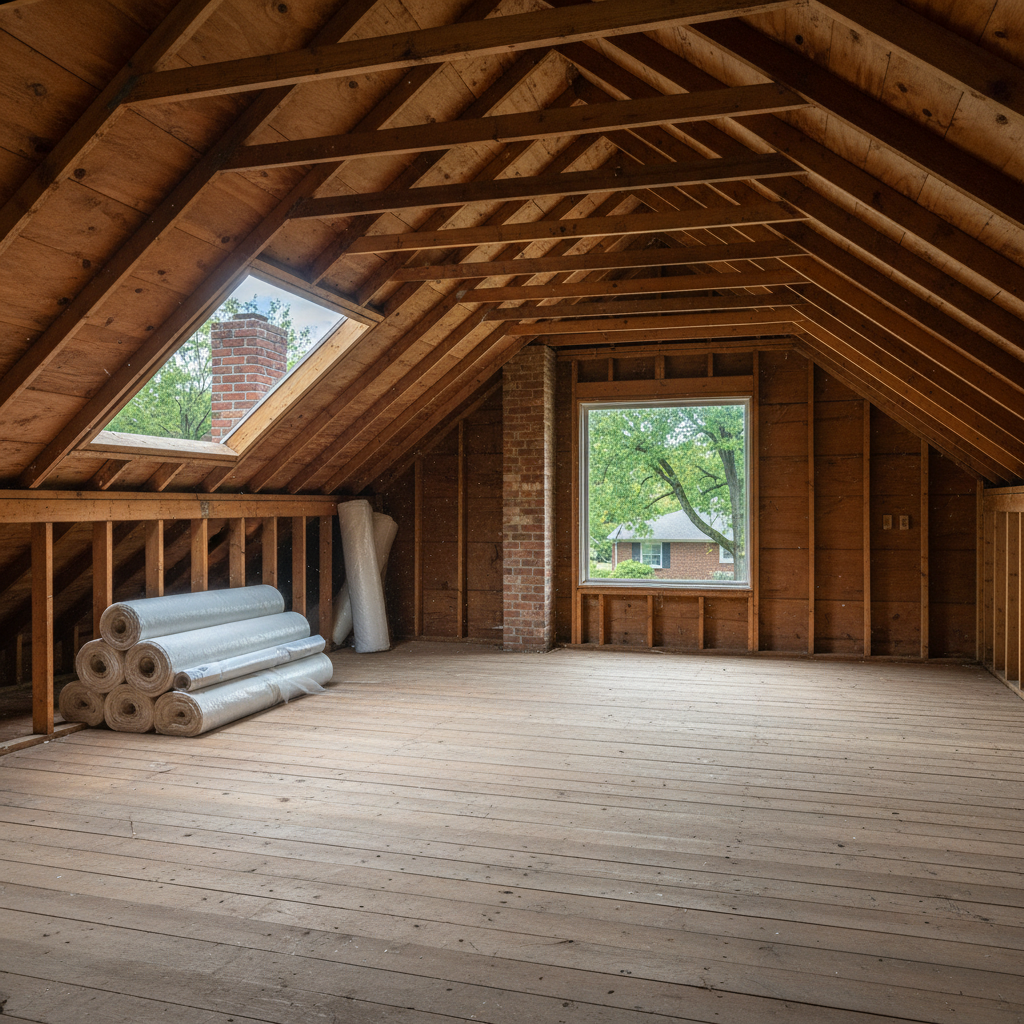
Alright, you've decided it's time to upgrade your home's insulation. Good for you! It's one of the best investments you can make, especially with our Philly winters and those humid summers. But finding the right contractor? That's where a lot of folks get tripped up.
I've been in this business a long time, seen a lot of good work and, frankly, a lot of shoddy jobs. You don't want to be stuck with the latter. So, let's talk about how you can find a top-notch insulation pro who'll do the job right the first time.
What to Ask Before They Even Step Foot in Your House
Before you even schedule an estimate, you can weed out a lot of duds with a few quick questions over the phone or email. Don't be shy; you're hiring them for a big job.
- Are you licensed and insured in Pennsylvania? This isn't optional. Any legitimate contractor will have this. Get their license number.
- How long have you been in business? Experience matters. A company that's been around for a decade or more has usually figured things out.
- Do you specialize in residential insulation, or is it just one of many things you do? You want someone who lives and breathes insulation, not a general contractor who occasionally throws some batts in.
- Can you provide references from recent jobs? A good contractor will be happy to connect you with past clients.
- What types of insulation do you install? They should be able to talk intelligently about different options like spray foam, cellulose, and fiberglass, and explain why one might be better for your specific situation. If they only push one product, that's a yellow flag.
When They're On-Site: What to Look For and Ask
Okay, they passed the initial screening. Now they're at your house for an estimate. This is your chance to really size them up.
- Do they actually inspect your attic, walls, and crawl space? A drive-by estimate is useless. They need to get in there, measure, look for air leaks, and assess existing insulation. If they don't go into your attic, show them the door.
- Do they explain the problem and their proposed solution clearly? They should be able to tell you why your current insulation isn't cutting it and how their plan will fix it, in plain English.
- Are they asking about your energy bills, comfort issues, and goals? A good contractor wants to solve your problems, not just sell you insulation.
- What's their process for air sealing? Insulation alone isn't enough. Air sealing is critical, especially in older Philly rowhomes where air can whistle through every crack. If they don't mention air sealing, they're missing a huge piece of the puzzle.
- What kind of warranty do they offer on their work and materials? Get it in writing.
Decoding the Quote: What to Expect
You've got a few quotes in hand. Don't just pick the cheapest one. That's a common mistake that often costs more in the long run. Here's what a good quote should include:
- Detailed breakdown: It shouldn't just be a single number. You want to see line items for materials (type, R-value, quantity), labor, air sealing, prep work (like moving stored items or covering floors), and cleanup.
- Scope of work: Exactly what areas will be insulated? What R-value will they achieve? Will they remove old insulation?
- Timeline: When can they start, and how long will the job take?
- Payment schedule: A small deposit is normal, but avoid anyone asking for more than 30-50% upfront. You pay the rest when the job's done and you're satisfied.
- Proof of insurance and licensing information. Again, get it in writing.
Red Flags You Can't Ignore
I've seen these pop up over the years, and they almost always lead to trouble.
- High-pressure sales tactics: "Sign today for a special discount!" Run. A reputable company gives you time to think.
- Cash-only deals: This screams "unlicensed" or "uninsured." You'll have zero recourse if things go wrong.
- No written contract or vague contracts: Everything needs to be in writing, clear as day.
- Contractor bad-mouthing competitors: Unprofessional and a sign they might be insecure about their own work.
- They don't have a physical address or local phone number: Be wary of transient operations.
- They can start tomorrow: Good contractors are usually booked out a bit. If they're immediately available, it might mean they don't have enough work, which could be a sign of issues.
Verifying Legitimacy
Before you sign anything, do your homework:
- Check their license: The Pennsylvania Attorney General's office or your local municipality might have a contractor search tool. Don't just take their word for it.
- Look them up on the Better Business Bureau (BBB): See their rating and any complaints.
- Read online reviews: Google, Yelp, Angie's List – take them with a grain of salt (some folks just love to complain), but look for patterns. Do they respond professionally to negative reviews?
- Call their references: Ask about their experience, if the job was completed on time and budget, and if they'd hire them again.
Choosing an insulation contractor isn't something you should rush. By taking these steps, you'll significantly increase your chances of hiring a reliable, skilled team that will make your home more comfortable and energy-efficient. Here at Spray Foam Pros of Philadelphia, we know what it takes to do the job right, and we're always happy to answer any questions you have, even if you're just trying to educate yourself.