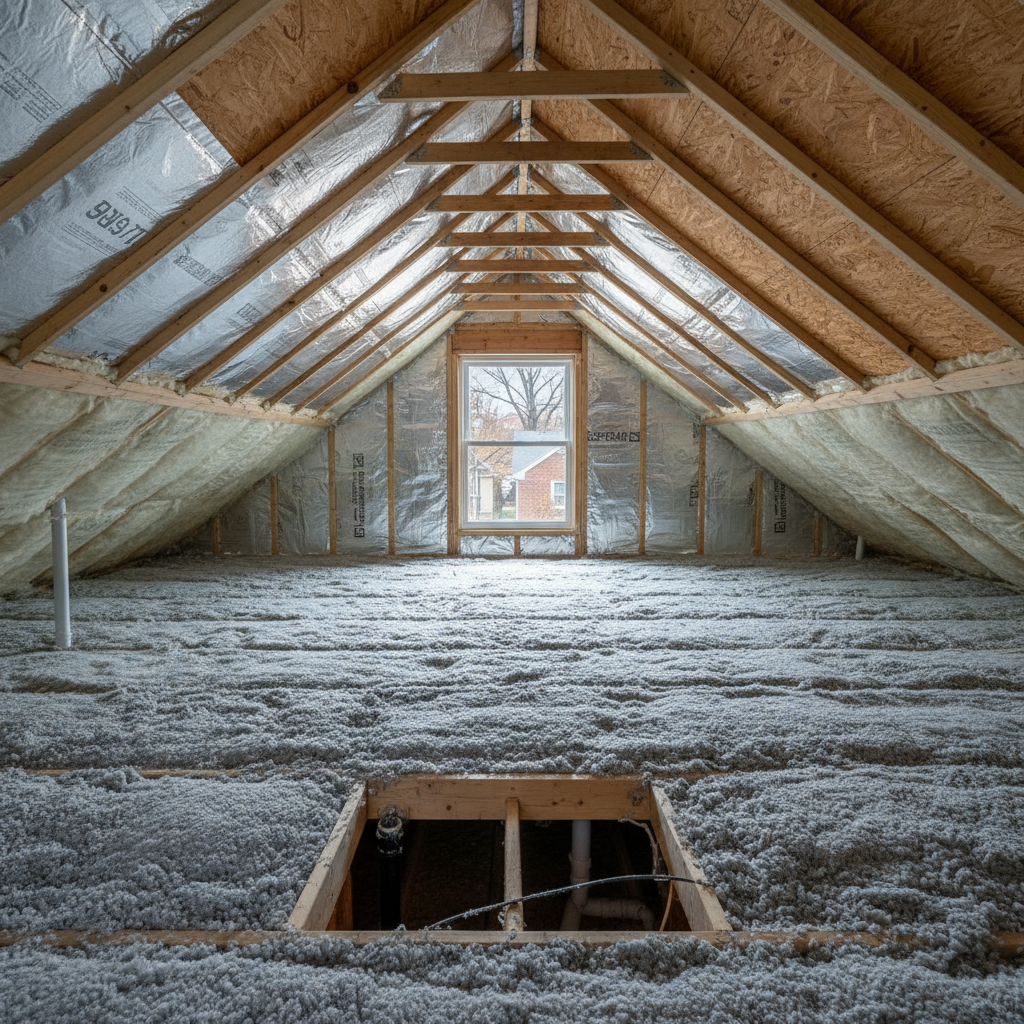
So, you're finally tackling that attic insulation project, huh? Good for you. It's one of those jobs that really pays off, especially with our Philly winters and those brutal August heat waves. But before you jump in, you gotta have a plan. I've seen enough projects go sideways because folks didn't know what to expect. Let's get you squared away.
Your Attic Insulation Project Timeline
People always ask me, "How long's this gonna take, Mike?" And the answer, like most things, is "it depends." But I can give you a solid idea of what your timeline will look like from start to finish.
- Initial Research & Contact (1-2 weeks): You're doing this now, which is smart. You'll be looking up contractors, reading reviews, maybe asking neighbors for recommendations. Give yourself a week or two to find a few good companies to talk to.
- Estimates & Consultations (1-3 weeks): This is where contractors come out, check your attic, and give you their recommendations and pricing. Don't rush this. Get at least three quotes. Ask questions. Compare apples to apples. This part can take a bit, especially if everyone's busy.
- Decision & Scheduling (1 week): Once you pick your contractor, you'll sign a contract and get on their schedule. Good contractors are often booked out a few weeks, sometimes a month or more, especially during peak seasons (like fall or spring when everyone's thinking about energy bills).
- The Project Itself (1-3 days): For most residential attics, the actual insulation work is pretty quick. A day or two for removal if that's needed, then a day for installation. Bigger, more complex attics might stretch to three days.
- Post-Project (Ongoing): Once it's done, you're just enjoying the benefits: lower energy bills, a more comfortable home. Keep an eye on your energy usage to see the difference.
So, from thinking about it to having it done, you're probably looking at anywhere from 4 to 8 weeks. Don't let anyone tell you they can start tomorrow unless they're desperate, and you don't want desperate. You want good.
What to Expect During the Process
Alright, you've picked a contractor, and they're showing up. What's it gonna be like?
- Arrival & Setup: The crew will arrive, introduce themselves, and start setting up. This usually involves laying down drop cloths to protect your floors and setting up their equipment, like hoses for spray foam or blown-in insulation. They'll likely be bringing in big bags of material or tanks for spray foam.
- Attic Access: They'll need clear access to your attic. This might be a pull-down stair, a scuttle hole in a closet, or an access panel in a ceiling. Make sure it's clear of obstructions.
- The Work Itself: It's gonna be noisy. Especially if they're blowing in insulation or running a spray foam rig. Expect some dust, even with all the precautions. They'll be up in your attic, often for hours, sometimes with specialized breathing gear for spray foam. If there's old insulation to remove, that's usually done first, often with a large vacuum system.
- Cleanup: A good crew will clean up thoroughly. They'll vacuum up any stray insulation, remove their drop cloths, and make sure they leave your home as tidy as they found it. We take pride in our cleanup at Spray Foam Pros of Philadelphia; it's part of the job.
- Final Walkthrough: The lead technician should do a walkthrough with you, explain what they did, and answer any last questions.
It's not usually a super disruptive process, but you'll know they're there. Plan for some background noise and maybe keep pets out of the immediate work area.
How to Prepare Your Home for Insulation Day
You can make the whole process smoother for everyone, including yourself, by doing a little prep work.
- Clear the Path: Make sure the path from your front door to the attic access point is clear. Move furniture, lamps, anything that could get in the way or get damaged.
- Clear the Attic Access: If your attic access is in a closet, clear everything out of that closet. If it's a pull-down stair, make sure it's easily accessible.
- Remove Valuables from Attic: If you store anything in your attic, now's the time to get it out. Especially anything fragile, sentimental, or that you don't want covered in a fine layer of dust. While we're careful, it's an attic, and things can get messy.
- Protect Sensitive Items: If you have electronics or artwork near the attic access, you might want to cover them with a sheet or move them temporarily.
- Secure Pets: Keep your pets in a safe, separate area away from the work. They'll be happier, and the crew won't have to worry about them.
- Communicate: If you have any specific concerns or requests, talk to the lead technician when they arrive.
Crucial Questions to Ask Before You Sign
This is where you protect yourself and ensure you're getting a quality job. Don't be shy. Ask these questions:
- What's the R-value you're proposing, and why? Don't just accept a number. Ask them to explain why that R-value is right for your home, especially given our older Philly rowhomes or those drafty Victorians in Germantown.
- What's included in the price? Is it just insulation? Does it include air sealing? Vent baffles? Old insulation removal? Make sure everything is itemized so there are no surprises.
- What kind of warranty do you offer on the materials and the labor? A good contractor stands behind their work and the products they use.
- How do you protect my home during the process? Ask about drop cloths, shoe covers, dust control measures.
- Are you licensed and insured? You need to see proof. Don't take their word for it. This protects you if something goes wrong.
- Can you provide references? Specifically, ask for references from recent attic insulation jobs.
- What's your cleanup process like? Again, a good contractor will detail how they'll leave your home.
- What's the payment schedule? Do they require a deposit? When is the final payment due? Avoid contractors who demand full payment upfront.
Asking these questions isn't being difficult; it's being smart. You're investing in your home, and you deserve to know exactly what you're getting. Do your homework, ask the tough questions, and you'll be much happier with the results.